How to Fuel for Your Big Adventure
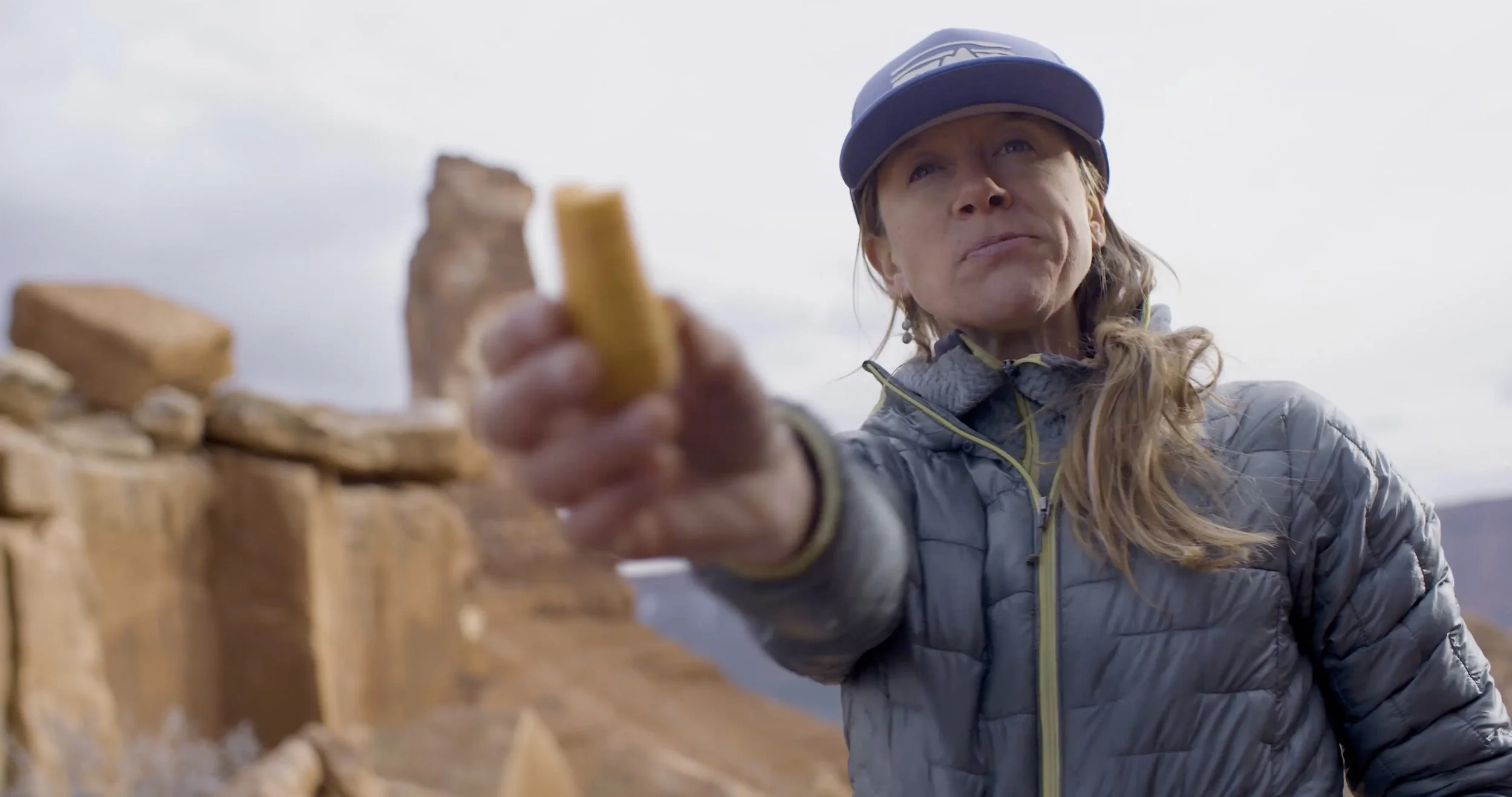
Farm to Crag co-founder Kate Rutherford fueling up before a climb. Photo Ken Etzel
Blog reviewed and fact-checked by Esther Smith, DPT, Cert. MDT
Fueling for big adventures is certainly an imperfect science, but when it goes poorly: you’ll know. If you’ve ever had a few too many drinks before an alpine start, tried fueling on energy blocks for 8+ hours, or realized your much-anticipated water source was dry, you know what it feels like to crash and burn.
On big days, fuel is everything. A balance of proper food and hydration is what keeps your mental fortitude strong for impromptu problem solving, and keeps your legs chugging uphill for the final ascent. For climbers, mountaineers, ultra-runners, or anyone spending a full day out in the mountains, we put together an accessible framework for fueling that promotes energy for your big adventures, but also sets you up for longevity in your activities.
This is a new way to look at fueling: One that requires more time digging into your fridge, and less time in the protein bar aisle. If your stomach has ever churned at the thought of eating your Protein Poptart after your Protein Birthday Cake Bar before you finish off your Protein Cookie Dough Balls – this one’s for you.
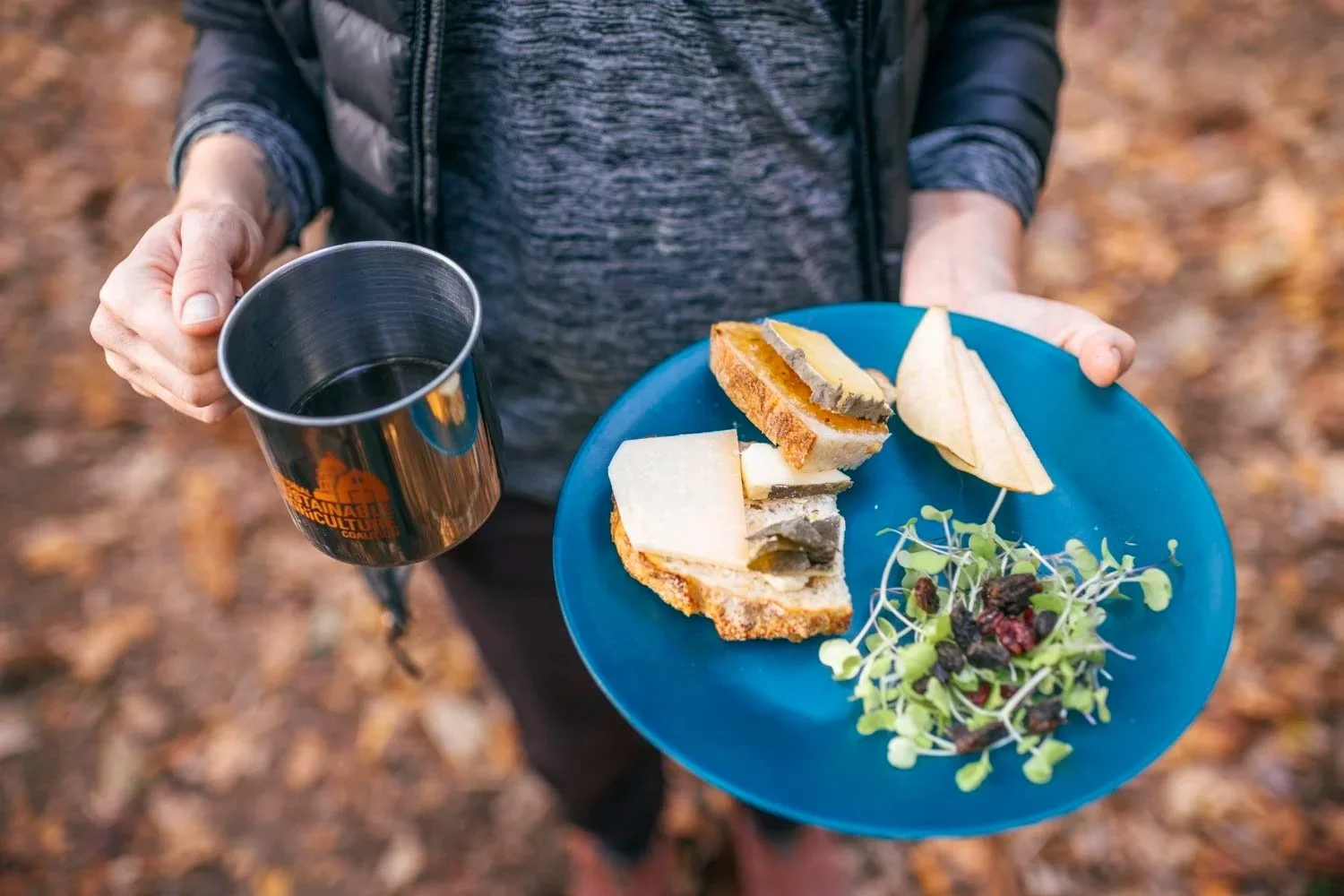
A Farm to Crag plate, Sequatchie Cove Farm, Chattanooga. Photo Ken Etzel
The Fueling Strategy
Setting yourself up for success on a big adventure starts days before you hit the trail or the skin track.
You want to have an idea of how you want to be moving during the day: your pace and heart rate play a huge role in what fuel you need. In basic terms: your fuel needs to match the engine that you plan to use.
For long days in the mountains, moving below your Aerobic Threshold is the most sustainable pace to avoid bonking and to keep you moving injury-free. At this pace – if you’re comfortably breathing through your nose, or up to Zone 2 if you’re using the Uphill Athlete guidelines– you’re predominantly burning fat. Ideally: you want to spend 80-90% of your day at or near this threshold.
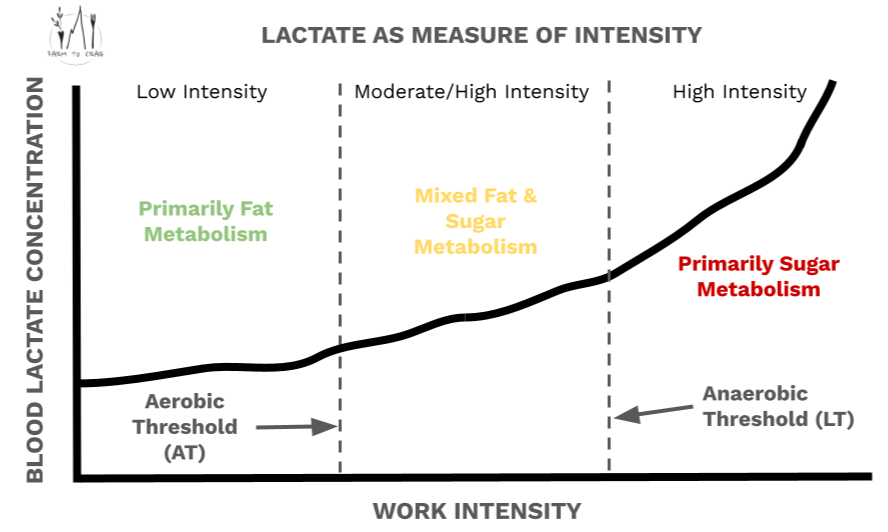
Between your Aerobic and Anaerobic Threshold – when nasal breathing becomes more labored – you’re burning a combination of sugar and fat. This is where you ideally want to spend 10-20% of your day. Think short bursts that last up to 3 minutes: the crux pitch, the final steep ascent.
When you’re exerting above your Anaerobic Threshold (aka “LT” or Lactate Threshold) – open mouth breathing required – you’re burning almost exclusively sugar. It’s an unsustainable zone to exist in for extended periods of time (no more than 30 seconds), but it’s the boost that will get you through the toughest moves.
You want to put yourself in a position to burn fat, alternating between low and moderate intensity exercise. The energy yield from 1 gram of fat is approximately 9 kcal (kilocalories), which is more than double the energy yield from 1 gram of carbohydrate, which is approximately 4 kcal. If you’re constantly above the Aerobic Threshold, burning sugar, fueling with sugar, burning sugar, fueling with sugar, you put yourself in a position for injury due to the likelihood of your form breaking down, as well as possible temporary insulin resistance and sneaky, longer-term cardiovascular issues.
Factoring fueling and healthy pacing into your adventure plans can set you up for a long future in the mountains.
Fueling Before the Big Day
We’re no magicians at Farm to Crag – but we have a pretty foolproof method for keeping the high gravity days at bay.
Pre-hydrating is one of the easiest ways to ensure you’re in top shape the morning of your big adventure. Even slight dehydration can increase your heart rate and perceived exertion, and staying sufficiently hydrated allows you to maintain a lower heart rate at a given pace. Embrace the low gravity.
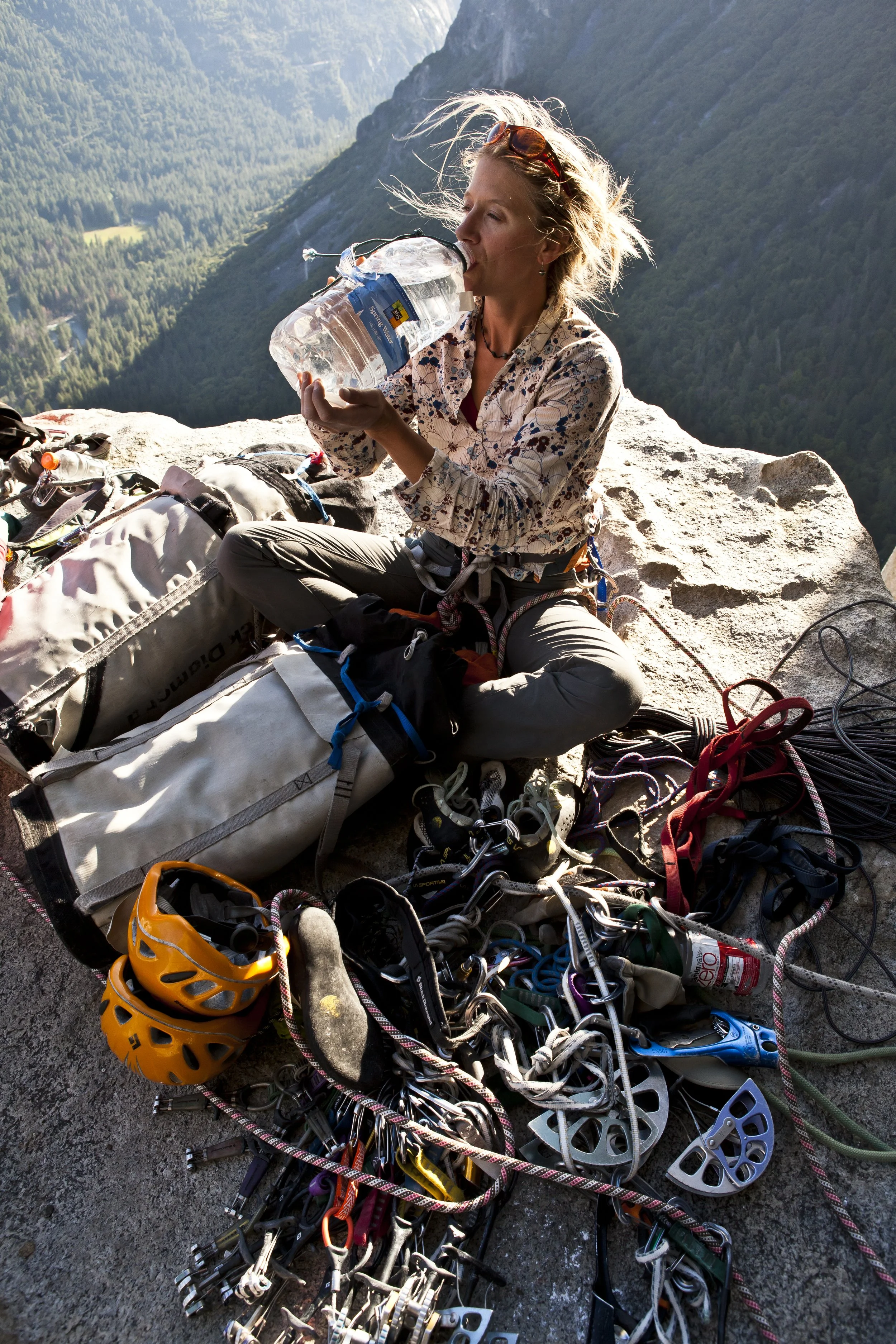
Farm to Crag co-founder Kate Rutherford hydrates on a free ascent of El Capitan’s Free Rider, Yosemite, CA. Photo Mikey Schaefer
On a typical day, you want to be hydrating using the following calculation:
Body weight in pounds / 2 = ounces of water per day
The 1-2 days before your big adventure, tack an extra 16-32 ounces of water on. Avoid diuretics like coffee, alcohol, and energy drinks, and add electrolytes to your water with a pinch of salt, local honey, fresh squeezed lime and lemon juice or cucumber slices (peels stay on!). We also love Skratch’s hydration mixes for added electrolytes – real sugar helps to increase hydration efficiency, something that isn’t mimicked in artificial sweeteners.
We’ll tell you more in upcoming posts about what we’d talk about as the mountain athlete’s Food Pyramid, reimagined as the Food Pillar. The ideal ratio for food consumption days before your big adventure looks like a base of 40% fiber-rich foods and carbs, 30% fat and 30% protein.
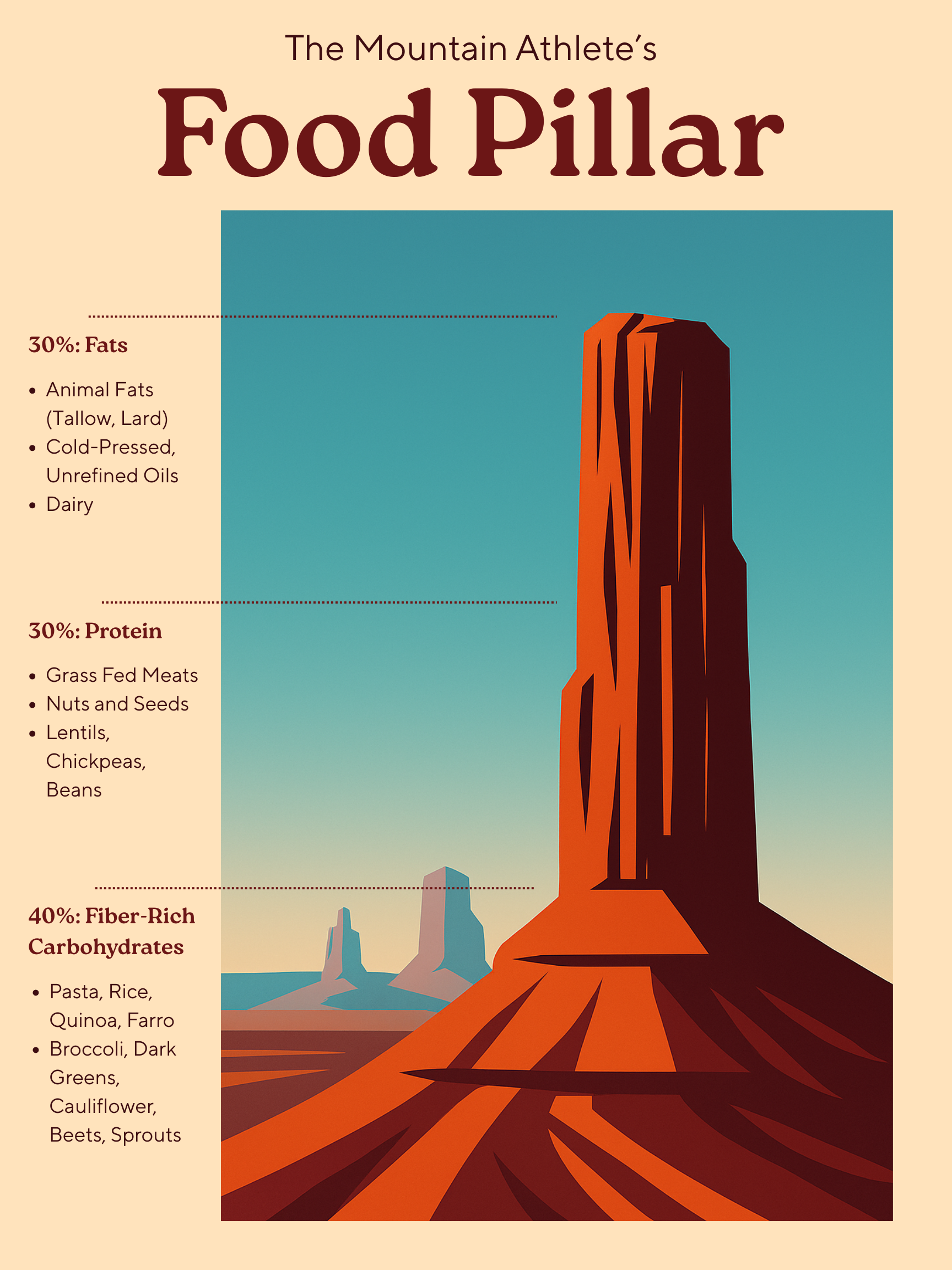
Farm to Crag’s Mountain Athlete’s Food Pillar
Pre-Adventure Dinner Ideas
Fueling Day-Of Your Adventure
Whether you’re rolling out of your tent for an early start or waking up from the comfort of your bed – try to fuel an hour or two before you start your adventure.
You’ll want to incorporate 20-25g of protein into your first fueling of the day if possible, along with a mix of fats and carbs.
Morning-Of Breakfast Ideas
Overnight Oats: Incorporate nuts, seeds, berries, maple syrup, butter for a mix of fats, proteins, and carbs
Toasts & Bowls: Avocado, eggs, sprouts, sweet potatoes, greens, pickled veggies or breakfast meat are great options for kicking off the day
Smoothies: Yogurt (coconut, full-fat dairy), nut butter, berries, banana and greens
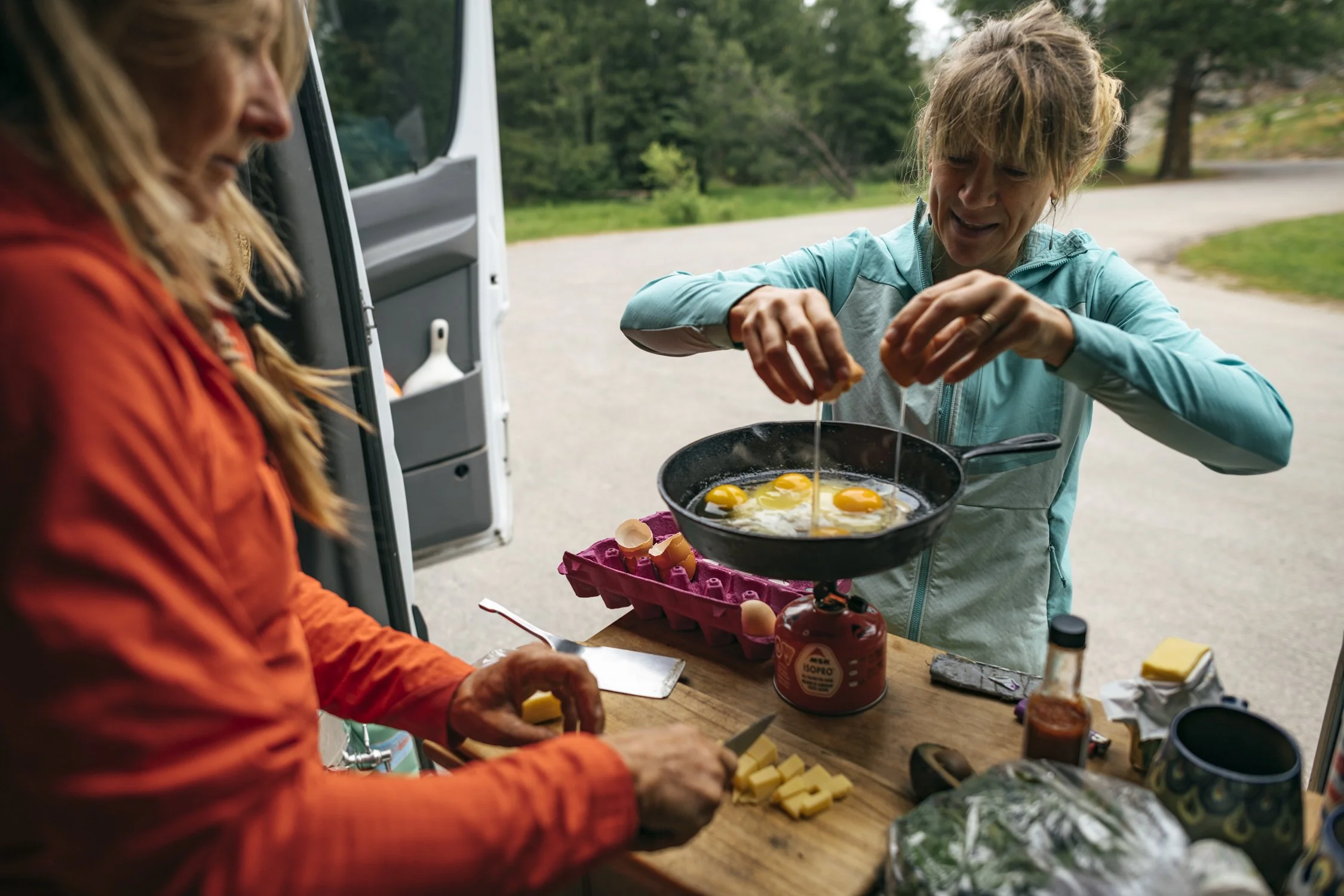
Farm to Crag style breakfast in the van. Photo Ken Etzel
Once you’ve kicked off from the trailhead, fuel at 90 minutes, and then small fuelings every 60-90 minutes after. Keep a steady flow of hydration (and sunscreen, while we’re at it).
Your goal is to avoid over-reliance on sugar-burning metabolism. Keeping yourself below the Aerobic Threshold – at a comfortable, conversational pace – and fueling with your fat-burning metabolic engine will help you avoid bonking. Reserve those higher-sugar snacks for a big push: when you’re feeling a dip in energy or need to pick up the pace. We love the Skratch Labs Energy Chews and Sol Simple Dried Fruit (no sugar added, preservative-free) for easy, accessible energy boosting “pocket snacks”.
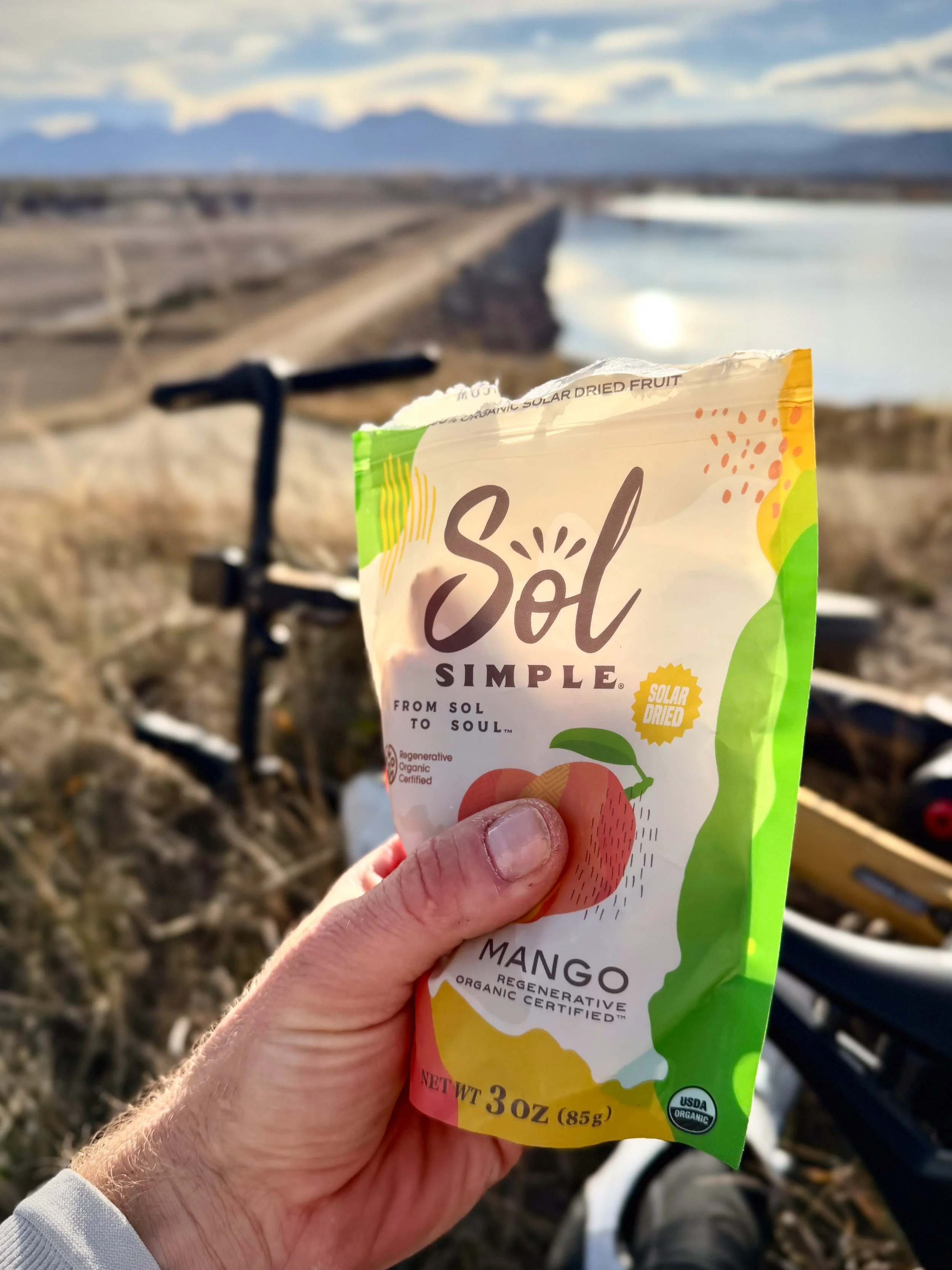
Lucas Marshall fueling with Sol Simple, Regenerative Organic Certified Solar Dried Mango on a gravel bike ride.
For sustainable, all-day fuel on-the-go, think about a snack that combines fats with protein and carbs for well-rounded energy. Ingredients like eggs, jerky, nuts and cheese can offer food for the Aerobic engine.
On-The-Go Adventure Snack Ideas:
Trail Mix: Cashews, Almonds, Mulberries, Golden berries, Goji Berries, Cacao Nibs
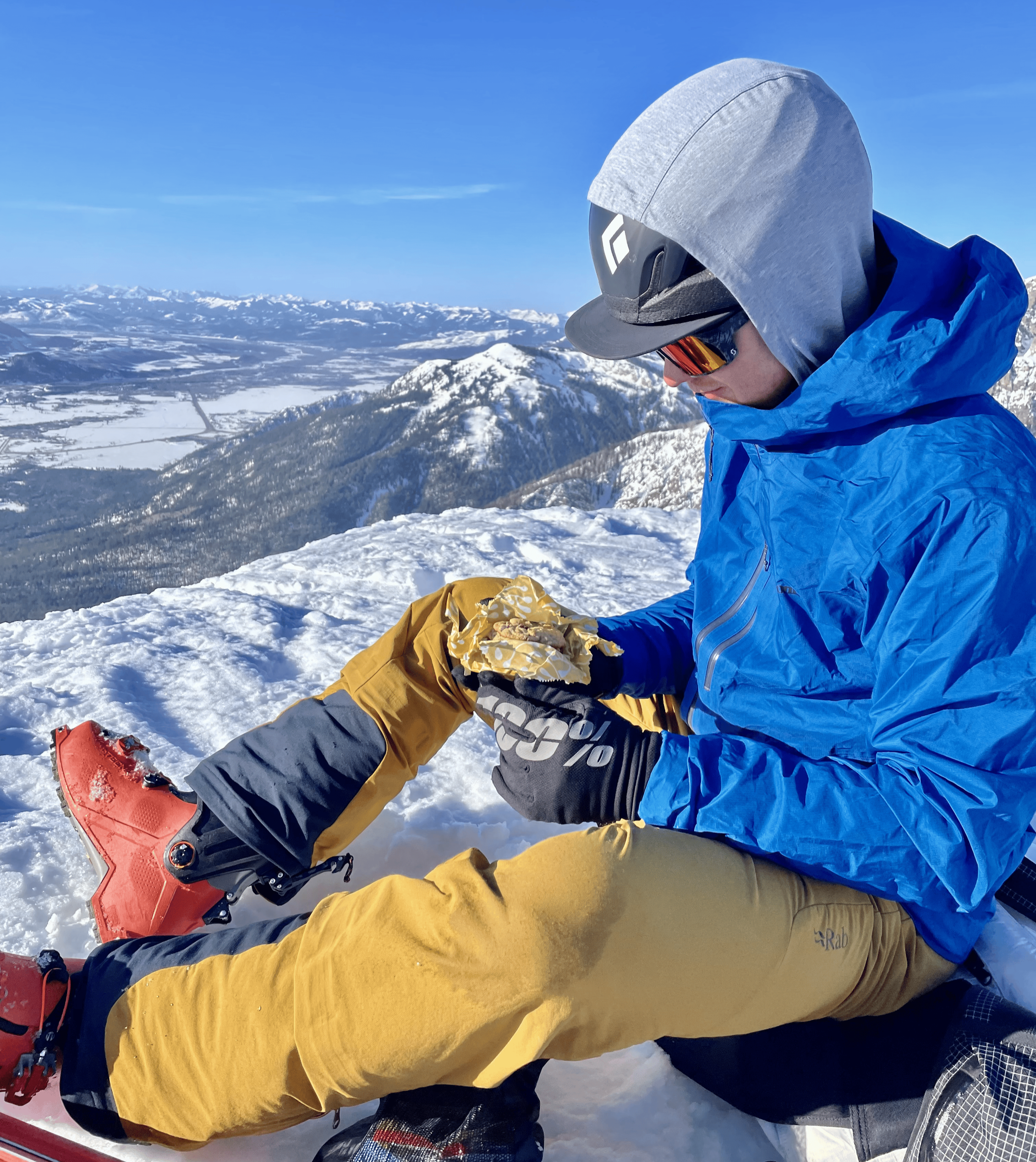
Max Ritter enjoying a Pocket Quiche in the snow. Bacon + Date Bars, Pocket Quiche and Apple, Brie, Prosciutto Wraps are brought to us by Lily and Max Ritter’s SKI SNACKS: Easy, Tasty Recipes for Powder Days and Mountain Adventures. Check it out here.
Fueling well and moving at a sustainable pace help you avoid the infamous bonk. Bonking – where you hit a hard wall and struggle to keep moving – is a temporary energy crisis where dehydration, fatigue and a build-up of metabolic byproducts compound with carbohydrate deficiency, resulting in a sudden drop in energy.
But fighting carbohydrate deficiency doesn’t necessarily mean you need to be building loads of sugar into your fueling plan (though sometimes a caffeine energy gel is the best path to beat the bonk). If you exclusively fuel with high-sugar options, you train your body to burn sugar over fat and make it harder to access efficient, long-sustaining fat burning systems. Fat and protein consumption modulates the release of glucose into the bloodstream, making your fuel more reliable and long-lasting and bonk-proof.

Pocket Quiche by Lily and Max Ritter’s SKI SNACKS: Easy, Tasty Recipes for Powder Days and Mountain Adventures. Check it out here.
Fueling After
Once you’re back to the trailhead, you want to try and get access to some easy-to-digest protein and carbs within 30-60 minutes of finishing your output. No – we’re not going to shame you if you need to honor your tradition of greasy cheese curds and soft serve ice cream (guilty) – but having some easy protein and carbohydrate combos in the car, such as Patagonia Provision’s tinned fish, hummus, and crackers, or a protein-rich Send Bar, will get your muscles, tendons, and hormones the building blocks they need to keep you feeling good the next day.
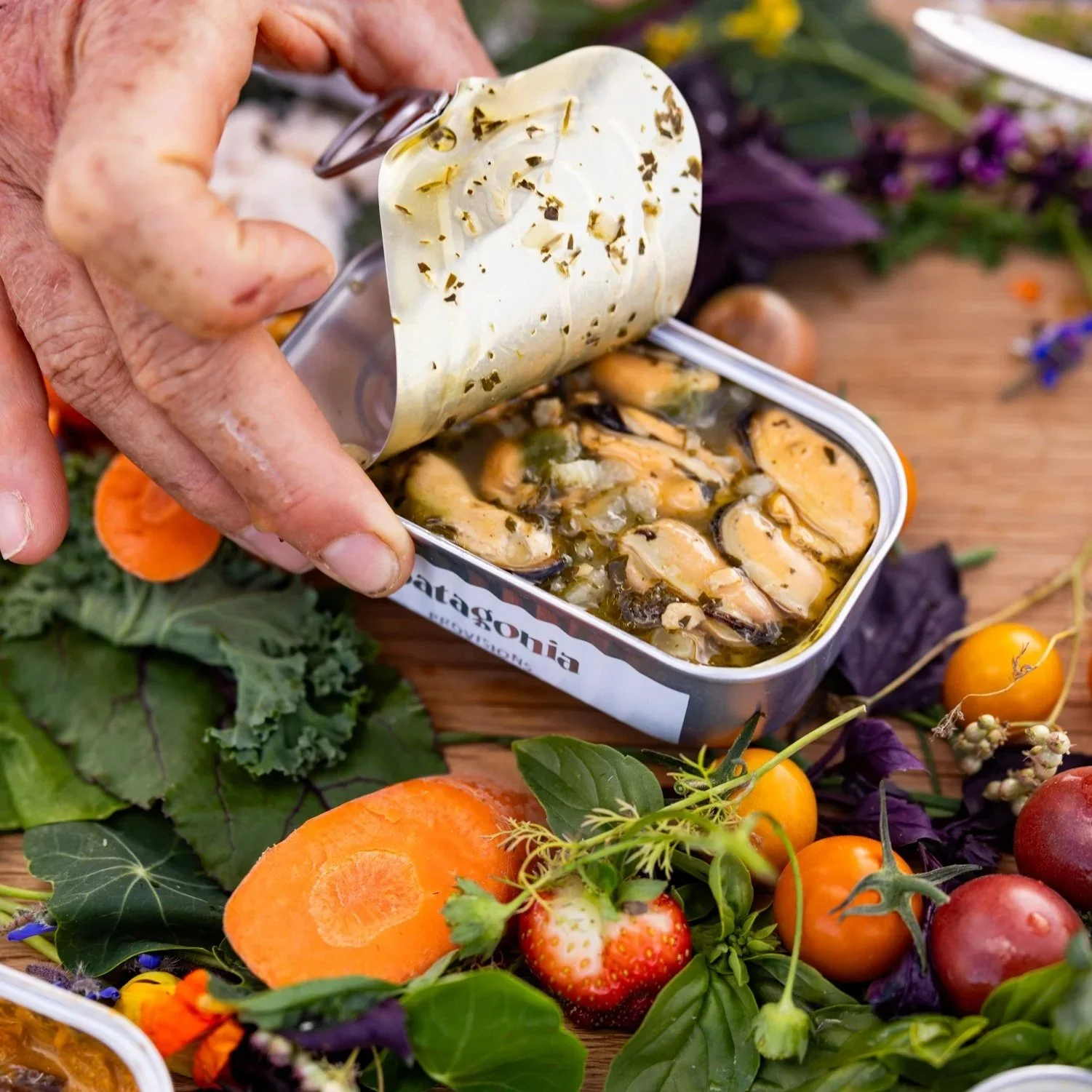
A Farm To Crag spread with Patagonia Provisions Lemon Herb Mussels. Photo Carl Zoch
That’s what we want to prioritize: helping athletes to feel good the next day, and the next. Fueling well is a short and a long-term game: you’ll feel better for the push, and you’ll give your body what it needs to operate well into the future.
In our next series, we’ll take a deeper look at the mountain athlete’s Food Pillar and the fundamentals of what makes a fulfilling, sustainable diet for the adventurer.