From Soil to Stone: How What We Eat Shapes the Places We Climb
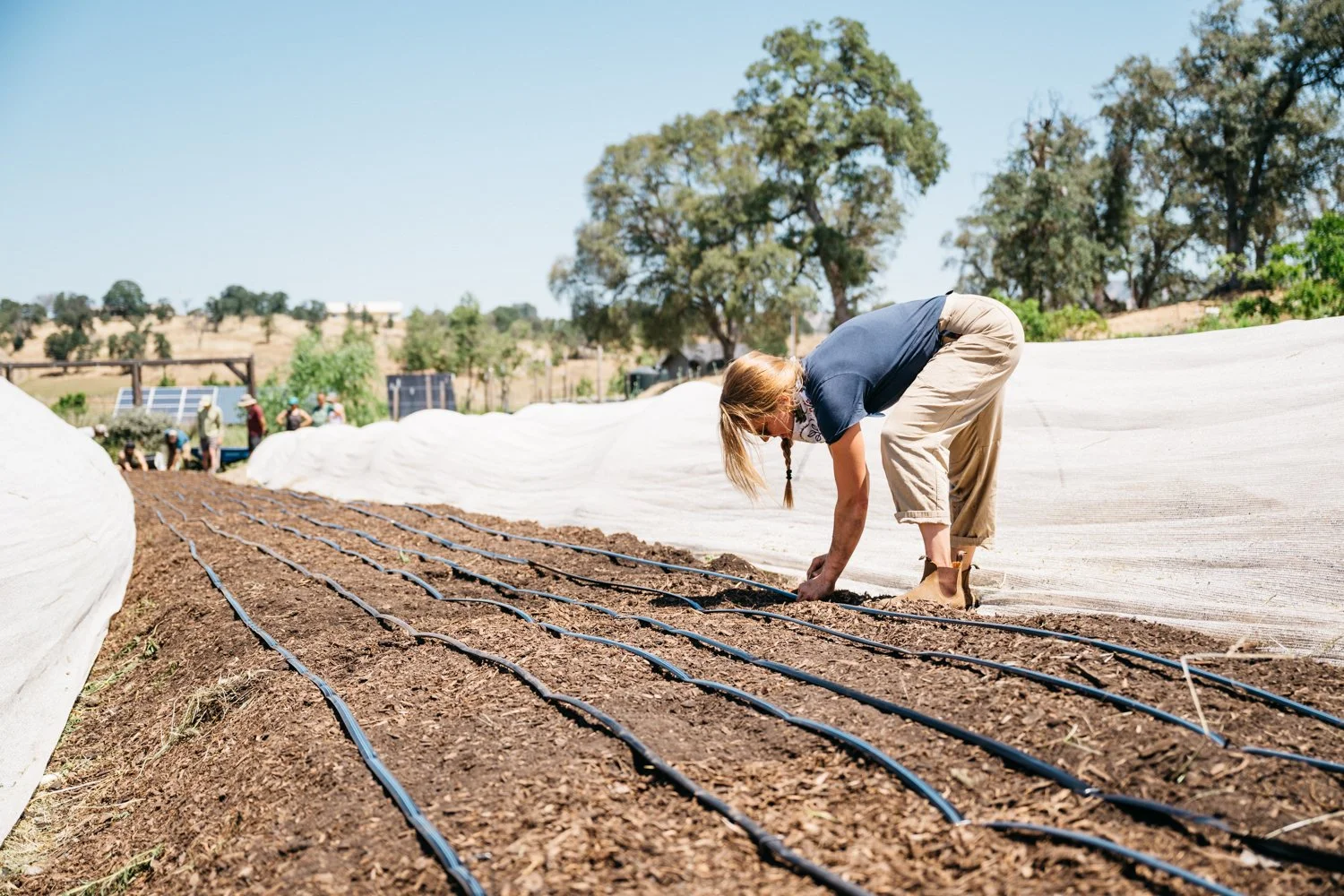
Photo - Jack Taylor
The sun rises over the fields, and the soil exhales. As the earth wakes up, the scent is damp, rich, alive. Beneath the surface, a thousand roots reach and weave like fingers linking together. The story of food begins here, in the dark, quiet work of soil.
Most of us don’t think of our plates as climate tools, but they are. Eating is one of the biggest contributors to global warming and one of the most powerful solutions we have, especially when we choose food from regenerative farms that rebuild soil and biodiversity. For centuries, Indigenous peoples have practiced land care that restores balance — what many now call regenerative agriculture — centering reciprocity, respect, and responsibility to future generations.
We owe our understanding of regenerative practices to those traditions, and to the land stewards who have never stopped tending them. As the Regenerative Organic Alliance describes it, regenerative organic agriculture is a holistic land management practice that leverages photosynthesis to close the carbon cycle and build soil health, crop resilience, and nutrient density. At Farm to Crag, we recognize Indigenous peoples as the ancestors of regenerative agriculture and look to Indigenous and BIPOC communities as leaders and co-creators in deepening our reciprocity with the land, our food, and our planet.
As a climber-driven nonprofit, we connect outdoor communities with local, regenerative farms so that every meal can be an act of climate action. We do this through our map of sustainable farms, farm-based climbing gatherings, and programs like the Soil & Sustenance Fund, which helps low-income households access CSA shares from partner farms. When we invest in local regenerative food systems together, we’re not just eating — we’re choosing the kind of world we want to live and climb in.
Principles of Regenerative Organic Agriculture
Cover Cropping
In late autumn at The Blue Heron Project in the Sierra Nevada foothills, the fields don’t go bare when the main harvest is over. Instead, crimson clover and grasses flush across the rows, a low, rustling carpet that keeps the soil wrapped and warm. As the light fades earlier each day, tiny white clover blossoms still hum with bees, and the ground feels springy underfoot.
Cover crops like clover, peas, rye, oats, radishes, and mustards aren’t planted for sale; they’re planted for protection. Their roots knit the soil together, preventing erosion in the face of wind and rain, while legumes fix nitrogen from the air and store it in the soil for future crops. When these plants die back, they form a soft mulch that suppresses weeds, feeds soil organisms, and offers flowers and nectar for pollinators — like a tiny forest living just below your boots.
“I like to think about our soil as a kind of bank account. All summer long we’ve been making withdrawals—pulling nutrients out to grow fruits, vegetables, and flowers. Now that fall and winter are coming, it’s time to make deposits back in. We do that by adding compost and planting cover crops, giving the soil a chance to restock and rebuild. In this way, we’re supporting the very ground that works so hard for us all season long, ensuring it stays rich and healthy for years to come.” – The Blue Heron Project,” Withdrawals and Deposits: Farming With the Soil in Mind”

Photo by Ken Etzel.
Crop Rotation
On Sequatchie Cove Farm in Tennessee, the seasons roll through the fields like verses in a song. One spring you might see peas and brassicas, the next year squash vines creep over that same patch, and in time a cover crop closes the loop before the cycle begins again. Walking the rows, you see not repetition, but rhythm. Each plant takes what it needs and leaves something different behind.
Crop rotation is the art of growing different plants in the same place over time, pairing heavy-feeding crops with lighter feeders and soil-building species. This shifting mosaic helps break pest and disease cycles, spreads out nutrient demands, and keeps the soil from being mined season after season. It’s not always the most profitable pattern in the short term, but it is deeply profitable for the land and for the communities that depend on its long-term fertility.
“The modern westernized mentality has created separation from humans and the rest of nature. This way of thinking and living has exploited and depleted what was once an abundant and balanced ecosystem. Many of the ecological and environmental disasters of this age are a result of human mismanagement and utter disregard for nature.” – Sequatchie Cove, TN, from their blog post “Regenerative Explained”
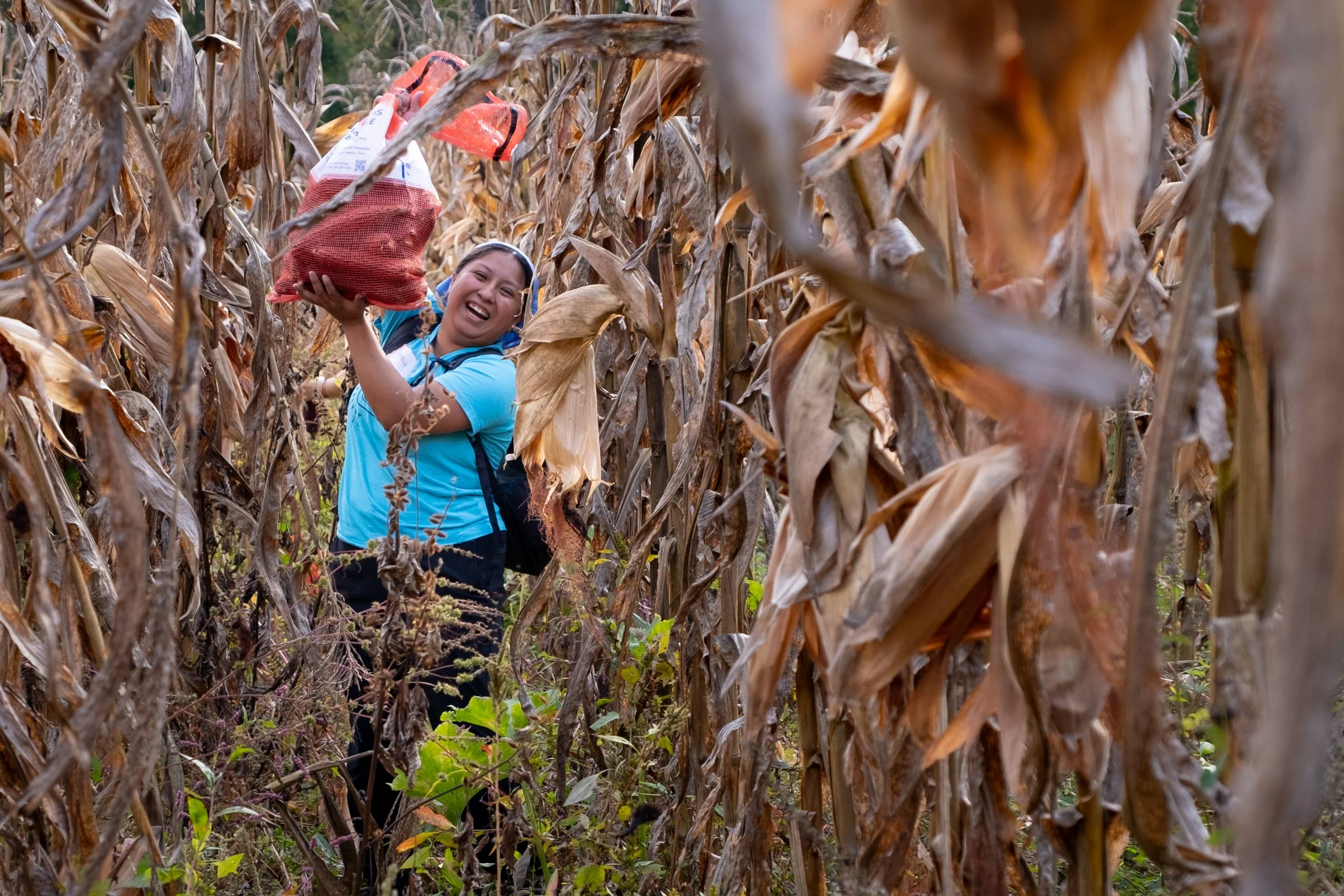
Photo by Eva Machalick.
Low to No Till
At Raw Roots Farm, the beds look different from the tightly plowed fields many of us grew up seeing. Instead of sharp lines of bare dirt, you see plant residues and root stubble left in place. When you kneel down and press your fingers into the soil, it gives way like a dense sponge, threaded with roots and worm tunnels. On windy days, the air smells like living earth instead of dust.
Low- to no-till farming means resisting the urge to flip and churn the soil after every harvest. Raw Roots farmers plant into the residue of previous crops, leaving roots in place to hold the structure together and keeping the surface covered so moisture stays put and erosion is minimized. This practice nurtures soil organisms, builds organic matter, and reduces fuel and labor needed for constant tilling, even as it demands more careful planning and weed management.
“Why no-till? We both have extensive backgrounds in science - environmental science. This type of science really focuses on systems thinking, which incorporates not only the physical and biological systems we see around us, but also the social and economic systems as well. There are three E's in sustainability - environment, economy and equity. We focus on making sure all three of those E's are well-rounded in our farm.” — Lauren Glikin, Raw Roots Farm
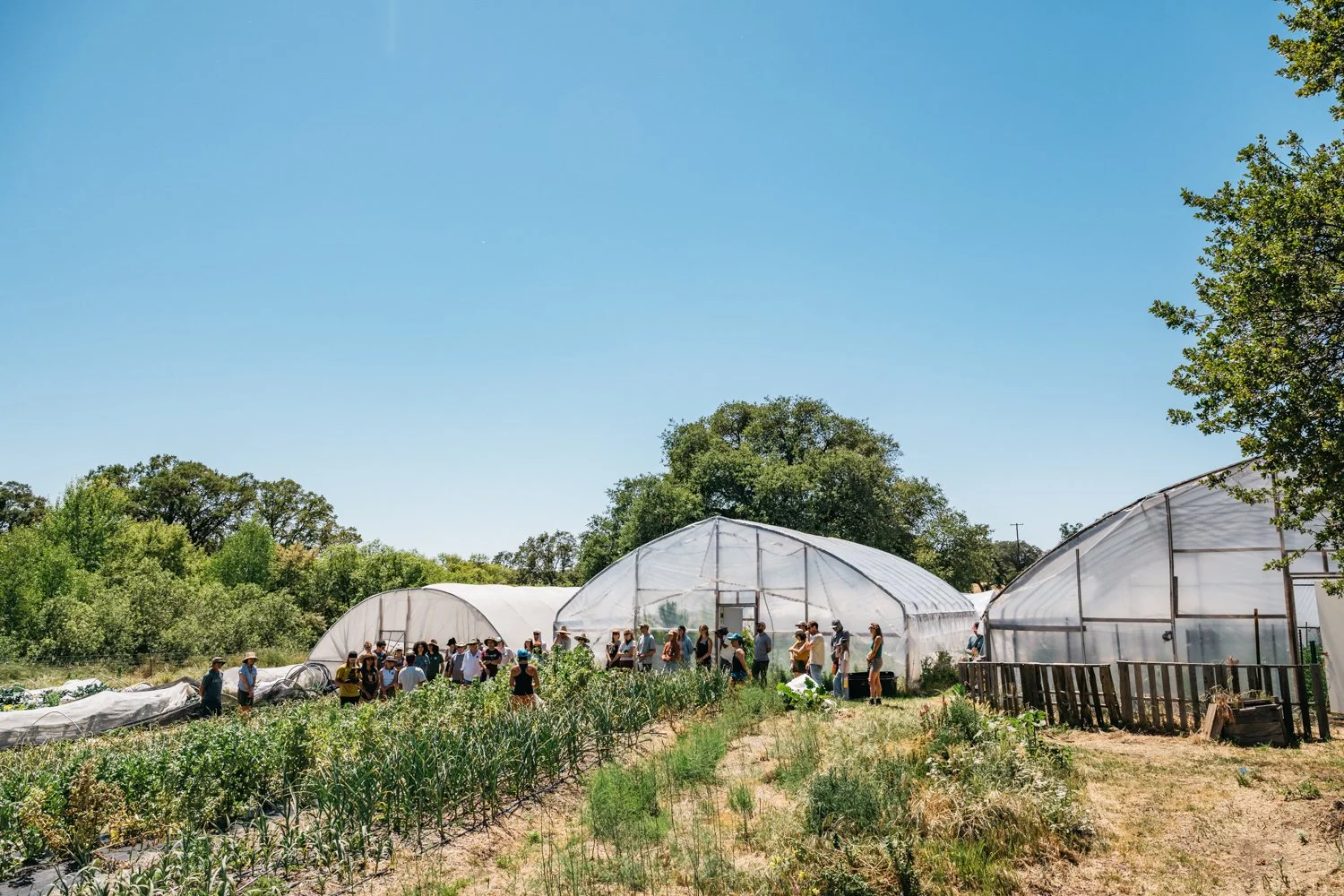
Photo by Ken Etzel.
Compost
In the back corner of many partner farms on the Farm to Crag map, there’s a quiet alchemy at work — a compost pile steaming in the cool morning air. Apple cores from last night’s dinner, carrot tops, fallen leaves, and straw all layer together, slowly transforming from “waste” into a dark, sweet-smelling crumble you can scoop with your hands. If you listen closely, you can almost hear it fizzing with microbial life.
Composting is a natural, oxygen-rich process where organic materials break down into a nutrient-dense amendment that feeds the soil, especially when aided by earthworms and diverse microbes. It keeps food scraps and plant matter out of landfills, where it would be trapped under layers of trash and decompose without oxygen, creating potent greenhouse gasses like methane. Instead, those same materials become a living bridge between one season’s harvest and the next.
“Learning about permaculture, I’ve seen the importance of understanding how humans fit within the natural systems rather than viewing us as separate. Human input on the environment like pruning fruit trees will yield more than those left untouched. We are part of nature, not separate, and we can choose to have a positive impact on the environment.” – Calvin Laatsch, “The Kinship of Climbing and Farming”
Check out resources on how to compost from our blog by Kareen Erbe of Broken Ground MT.
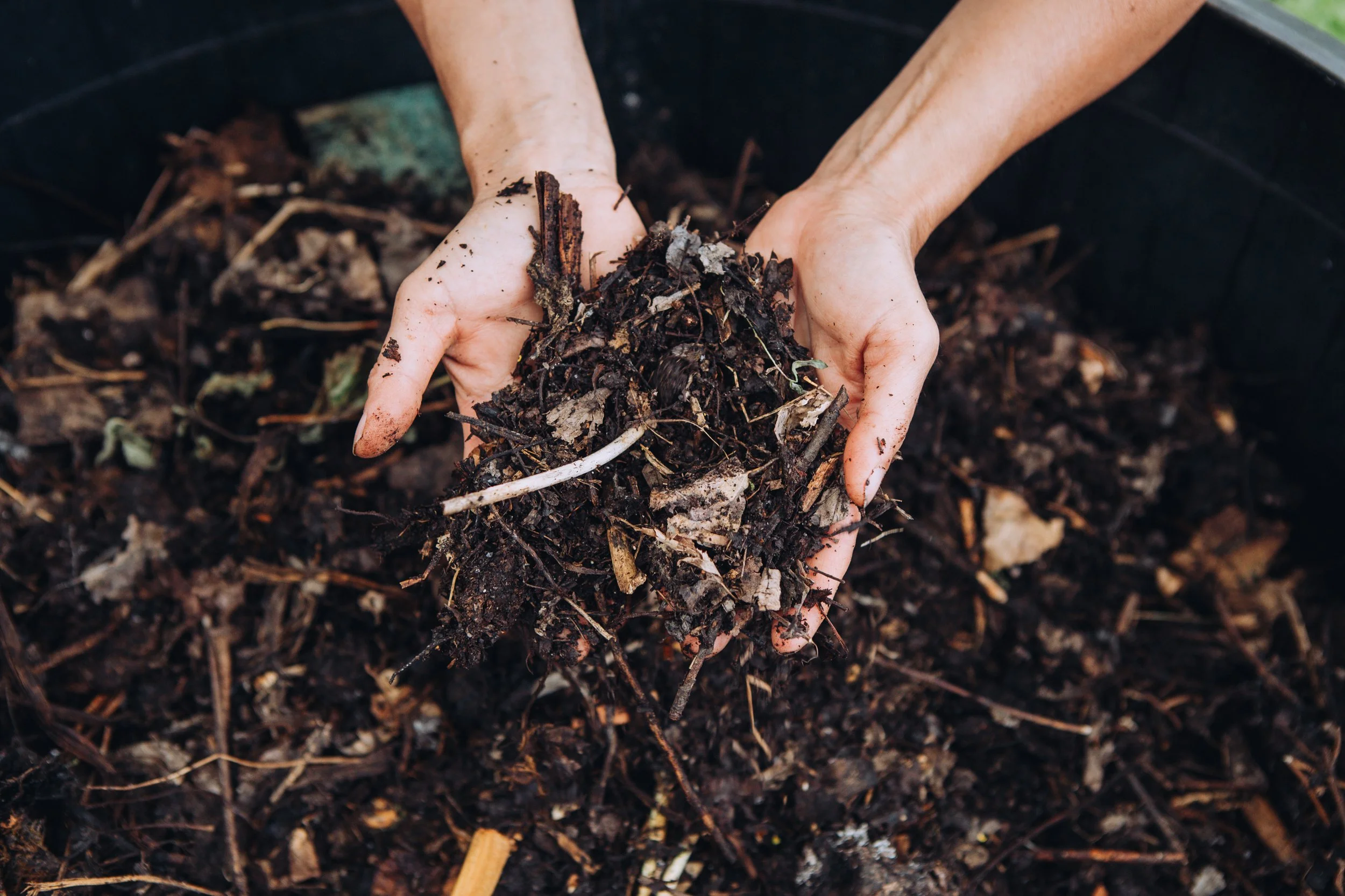
Photo courtesy of Kareen Erbe.
No Synthetic Chemicals or Pesticides
You can smell the difference between a field drenched in synthetic chemicals and one kept alive through organic practices. In the first, there’s a sharp, chemical edge; in the second, a warm, vegetal sweetness that makes you want to breathe deeper. At Vilicus Farms, Anna and Doug Crabtree use organic, regenerative farming methods that avoid man-made pesticides and fertilizers, choosing to protect the people who work the land and the pollinators and ecosystems that surround it.
Man-made agrichemicals are often derived from fossil fuels and can harm pollinators, degrade soil life, and expose farmworkers and nearby communities to toxins linked to long-term health issues. Regenerative organic farms instead rely on biodiversity, crop rotation, compost, and biological pest controls to keep their systems resilient. Healthy soil and healthy people are inseparable; the way we grow food shows up in our bodies, our watersheds, and our air.
“Vilicus Farms’ cropping system allows for us to farm alongside of Nature’s systems and mirror Her processes for sustainable food production. Organic production isn’t just growing food without chemical inputs. It’s a system that requires improving soil, water and associated resources while producing safe and healthy food for a growing population of informed consumers” – Vilicus Farms, MT
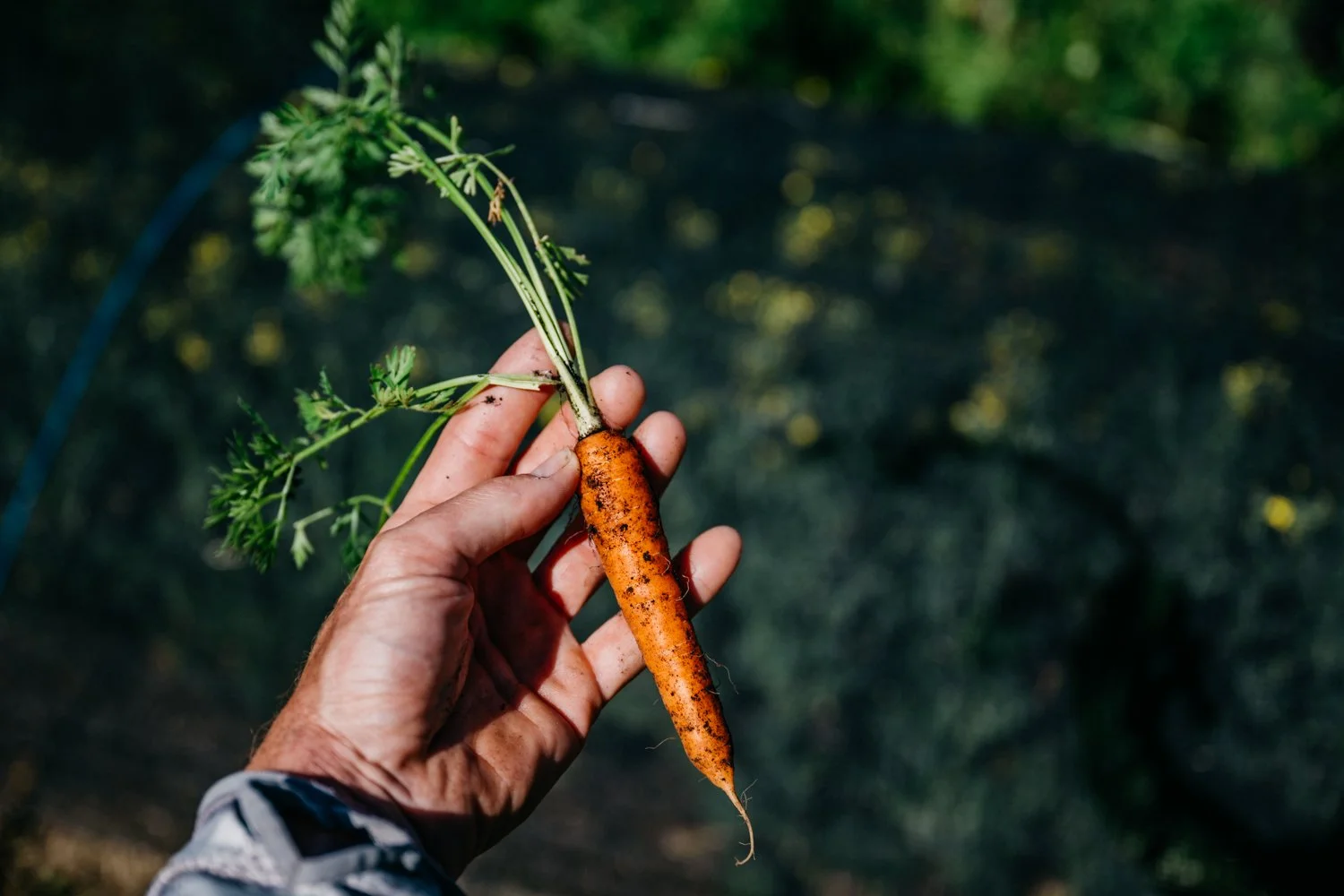
Photo by Ken Etzel.
Growing the Movement
In 2025, the Farm to Crag community deepened its impact: events at partner farms brought climbers into fields and barns, while the Soil & Sustenance Fund helped make CSA shares more accessible for low-income households, helping both families and regenerative farms stay resilient. Climbing festivals like United in Yosemite became spaces where local regenerative food, cooked by chefs alongside farmers, nourished over 200 participants and showed how climate action can taste like joy and belonging at the same table.
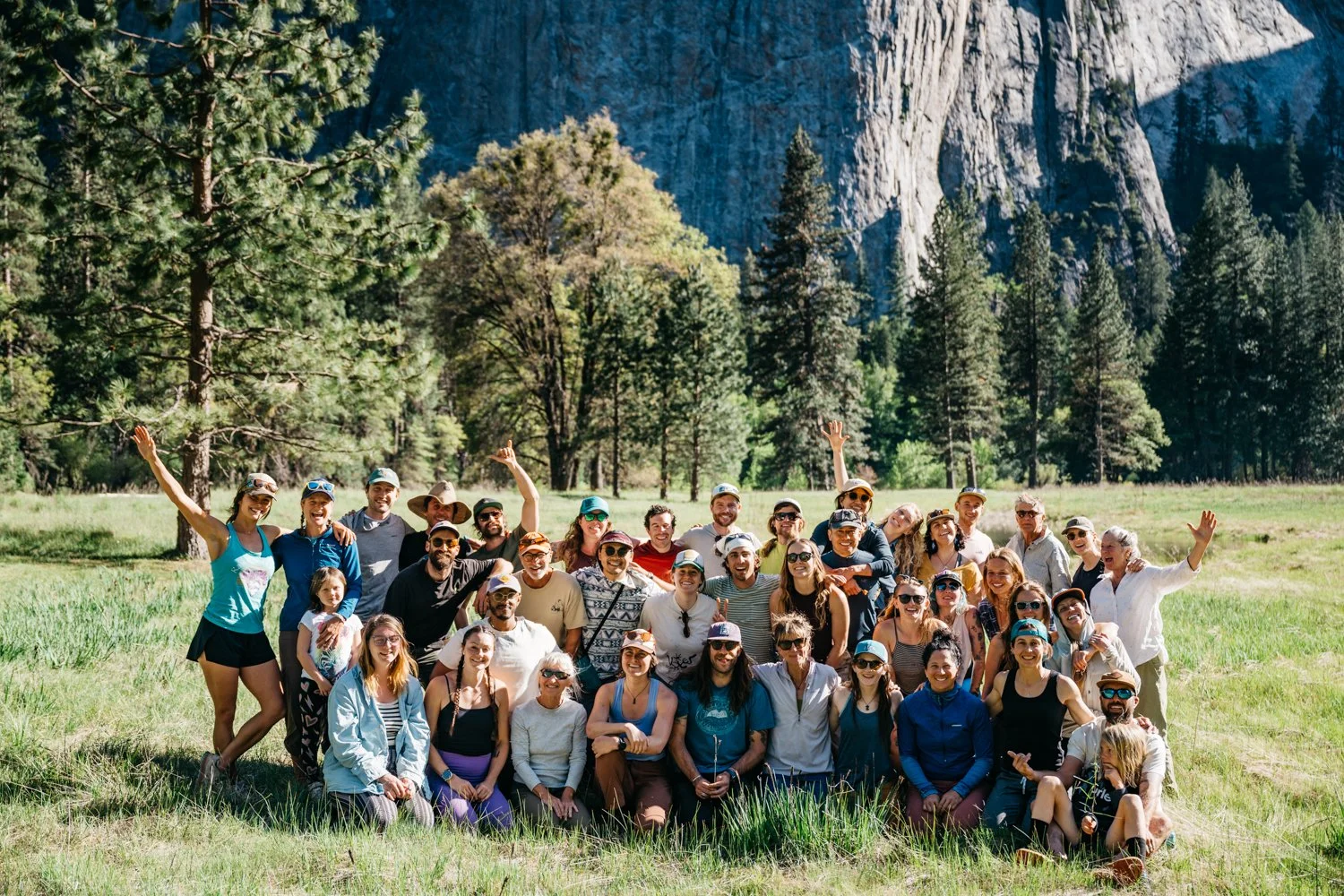
Yosemite 2025 Gathering. Photo by Ken Etzel.
In 2026, we’re setting our sights even higher. Farm to Crag is continuing to expand its Soil & Sustenance CSA support, strengthen partnerships with regenerative farms across bioregions, and host more educational gatherings that connect soil science, culture, and community meals. We believe that when outdoor communities invest in local regenerative food, we spark a cultural shift toward healthier lives, thriving communities for local neighborhoods and visiting climbers, and a resilient ecosystem.
Here’s how you can be part of it:
Follow: Stay connected with Farm to Crag’s stories, partner farms, and event updates, and share them with your climbing and outdoor communities.
Donate: Support programs like the Soil & Sustenance Fund that subsidize CSA shares and help regenerative farms remain financially viable while feeding those most impacted by inequity.
Get involved: Attend farm-based climbing events, volunteer at partner farms, or bring Farm to Crag programming to your local crag community.
Start your own chapter: Use the Farm to Crag map and resources as a model to build bridges between climbers and regenerative farms in your home bioregion — because “YOU?” and “Hometown, USA” are already listed among future partner farms.
Every meal is a chance to choose soil over extraction, relationship over convenience, regeneration over despair. When we eat with intention, standing alongside farmers and land stewards, we help the earth take a deeper, more hopeful breath.